Nutrition salary data
Nutrition and Dietetics Salaries
By Taylor Rupe, Founder & Editor · Updated July 2026
Dietitians and nutritionists earn a national median of $76,400 a year, or $36.73 an hour, across 77,570 people employed in the occupation. That median is a midpoint rather than an offer, and the pages below break it apart by state and by what sits behind it.
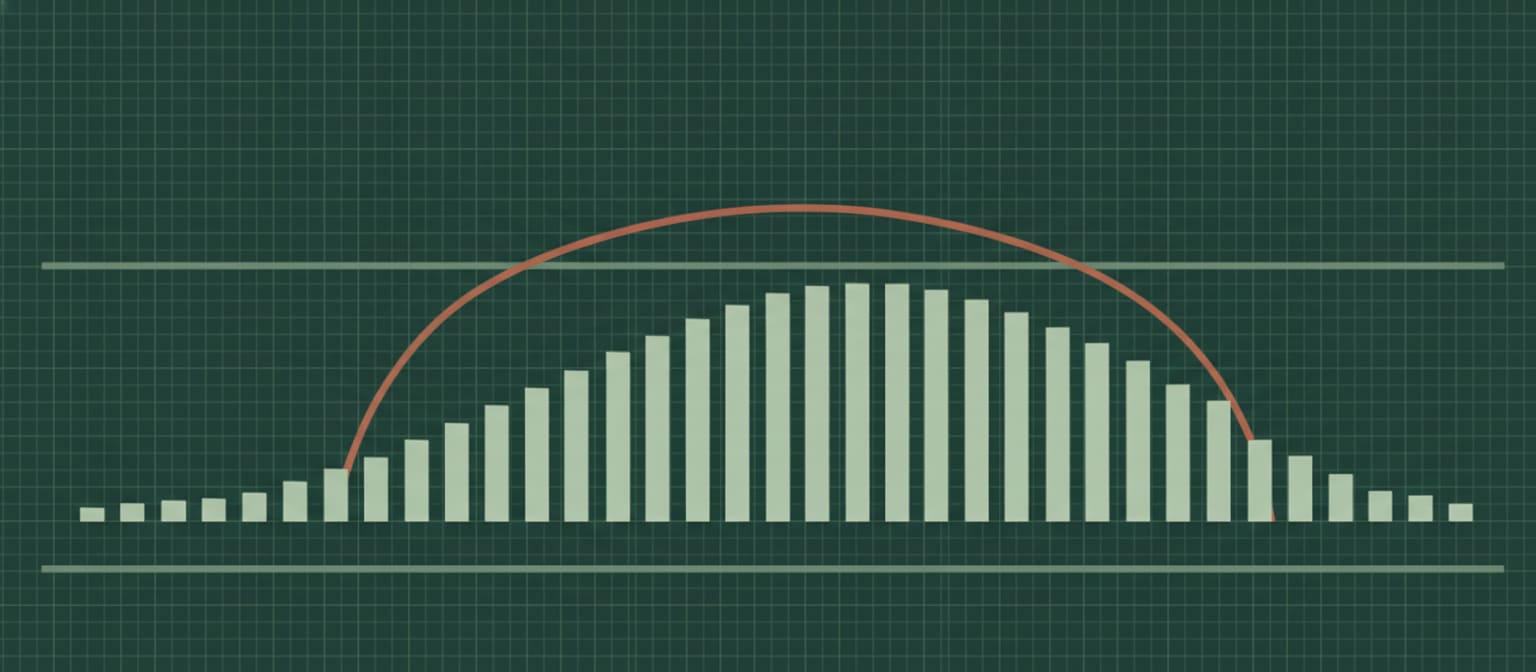
- National median
- $76,400
- 10th percentile
- $49,090
- 90th percentile
- $103,720
- People employed
- 77,570
BLS Occupational Employment and Wage Statistics, May 2025. SOC 29-1031, Dietitians and Nutritionists.
National nutrition salary percentiles
What do dietitians and nutritionists earn?
The national median is $76,400. The middle half of dietitians and nutritionists earns between $63,080 and $89,340, a range of $26,260. The 10th-percentile wage is $49,090 and the 90th-percentile wage is $103,720, producing a $54,630 difference between those two percentiles.
The mean is $77,130, close to the median. Use the median to describe typical pay and the percentile range to compare lower- and higher-paid positions in the occupation.
BLS estimates 77,570 people work in this occupation nationally. State estimates can be based on much smaller employment counts, so compare each state median with the employment estimate shown beside it.
| Position in the distribution | Annual wage | What it means |
|---|---|---|
| 10th percentile | $49,090 | The bottom tenth of the occupation sits at or below this. |
| 25th percentile | $63,080 | A quarter of the occupation earns less than this. |
| Median | $76,400 | The midpoint. Half earn more, half earn less. |
| 75th percentile | $89,340 | A quarter of the occupation earns more than this. |
| 90th percentile | $103,720 | The top tenth of the occupation sits at or above this. |
Pay by state
Which states pay dietitians the most?
California reports the highest median of the 51 areas BLS publishes state figures for, at $98,850. Mississippi is at the other end at $63,700. That is a $35,150 gap for the same occupation code, and 16 of the 51 areas report a median above the national $76,400.
| # | State | Median | 10th pct | 90th pct | Employed |
|---|---|---|---|---|---|
| 1 | California | $98,850 | $72,780 | $130,850 | 8,720 |
| 2 | West Virginia | $89,440 | $55,350 | $103,130 | 520 |
| 3 | Alaska | $87,980 | $70,100 | $105,970 | 130 |
| 4 | New Jersey | $84,450 | $62,670 | $114,400 | 2,870 |
| 5 | Washington | $84,220 | $62,100 | $108,010 | 1,450 |
| 6 | Oregon | $84,180 | $65,400 | $105,020 | 700 |
| 7 | New York | $82,480 | $62,100 | $105,830 | 5,330 |
| 8 | District of Columbia | $82,150 | $50,010 | $111,530 | 270 |
| 9 | Hawaii | $81,920 | $65,330 | $100,610 | 370 |
| 10 | Connecticut | $80,600 | $61,570 | $100,140 | 860 |
Read the employment column beside the median. Alaska reports a median of $87,980 on 130 jobs, while California reports $98,850 on 8,720. A median built on a few hundred jobs moves further between releases than one built on thousands.

All 51 areas
Dietitian pay in every state
The full percentile spread for each state, from the tenth to the ninetieth, with the employment base each median rests on.
Factors that affect nutrition salaries
What determines a nutrition salary?
Pay varies by credential, work setting, experience and location. Credential requirements should be checked before enrolling because not every nutrition degree qualifies graduates for the same roles.
The credential
Whether you hold the RDN
“Registered dietitian nutritionist” is a protected title. In most states “nutritionist” is not. Reaching the RDN takes three separate things: a graduate degree, an ACEND-accredited pathway including supervised practice hours, and a pass in the Commission on Dietetic Registration exam. Since January 2024 the graduate degree has been the floor. Credentialed and uncredentialed workers both sit inside SOC 29-1031, so the $49,090 to $103,720 range has that difference folded into it.
The setting
Who you work for
One occupation code covers clinical work in hospitals, community and public health programs, foodservice management, food industry work and private practice. OEWS reports a single wage distribution across every employer that responds, so the figures above describe the whole field at once rather than any one workplace.
Experience
Where you sit in the distribution
A percentile is a position in the pay distribution, not a career stage. The 10th percentile is $49,090 and the 90th percentile is $103,720, a difference of $54,630. These figures do not represent guaranteed starting and maximum salaries.
Geography
Which state you practise in
California reports a median of $98,850 and Mississippi reports $63,700. Same occupation code, same survey, a gap of $35,150. These are the figures employers reported paying, with no cost-of-living adjustment applied to them, so a high median in an expensive state is not the same as more money left over.
Verify credential requirements before choosing a degree because education and supervised-practice requirements take several years to complete. What the RDN credential requires lays out the degree, the supervised practice hours and the exam, and how to become an RDN puts them in the required order. The technician-level the NDTR technician credential, starts at the associate level.
What BLS salary data measures
Do these figures show what nutrition graduates earn?
No. Every number on this page is occupation-wide. OEWS asks employers what they pay people already working in SOC 29-1031, Dietitians and Nutritionists. It measures the occupation, so a figure here belongs to the whole field rather than to any cohort of graduates or any school, and nothing on this page is an outcome figure for a program ranked on this site.
Use these figures to understand occupation-wide pay, not the return on a specific degree. The occupation’s middle half earns between$63,080 and $89,340. You can compare published tuition with that range, but the data cannot predict an individual graduate’s salary.
One more thing worth holding onto: the credential and the degree are different objects. A nutrition degree that is not on an ACEND-accredited pathway is a real qualification for real work, and it does not make you eligible to sit the registration exam. That distinction changes which jobs inside this wage distribution are open to you, so it is worth settling before you compare tuition.
Wage figures on this site are reproduced as published, with no cost-of-living or inflation adjustment applied. The release, the SOC code and the percentile behind every figure are named wherever it appears.
Career, salary and degree guides
What should you compare next?
62 fully-online nutrition and dietetics programs are indexed here, scored on completion, cost, program size, access and public documentation. Confirm RDN eligibility separately in ACEND’s directory.
$37,640 median
Dietetic technician salary by state
The May 2025 BLS wage distribution for dietetic technicians, with medians and employment counts for 45 states.

31,560 jobs
How to become a dietetic technician
The work, education routes, NDTR credential and differences between a technician and a registered dietitian.

32 programs
Programs in dietetics fields
Programs filed in the federal dietetics and clinical-nutrition family. Confirm any RDN pathway in ACEND’s directory.

45 programs
Online nutrition master’s degrees
The level the registration exam has required since January 2024, ranked on public outcomes and cost.
5 programs
Associate degrees in nutrition
Where the dietetic technician route starts, at the shortest and cheapest award level indexed here.

Five factors
How the program scoring works
The weights, what each one is computed from, and why a program we cannot score is left out instead of guessed at.
Questions
How much do nutritionists make?
Five questions about pay in this field, each answered from the May 2025 wage release rather than from a range someone quoted.
What is the median nutrition salary?
Dietitians and nutritionists earn a national median of $76,400 a year, which is $36.73 an hour, across 77,570 people employed in the occupation. The middle half earn between $63,080 and $89,340. Figures are the BLS Occupational Employment and Wage Statistics release of May 2025, SOC 29-1031.
What is the starting salary for a dietitian?
OEWS reports positions in the pay distribution rather than career stages. The lowest position it publishes is the tenth percentile, $49,090, and that is where the bottom tenth of everyone in the occupation sits, which is a different thing from where a first job starts. Treat it as the floor of the published range rather than as an opening offer.
Which state pays dietitians the most?
California, at a median of $98,850 on 8,720 jobs. The next state down the list is West Virginia at $89,440, on an employment base of 520. Small bases move more between releases than large ones, so read the employment column alongside the median.
Do registered dietitians earn more than nutritionists?
BLS files both under one occupation code, SOC 29-1031, so the survey produces one wage distribution covering the two together. What is documented is the credential itself: the RDN is a protected title, it requires a graduate degree plus an ACEND-accredited pathway plus the CDR exam, and a role that requires the RDN can only be filled by someone who holds it.
What is the hourly rate for a nutrition job?
The national median is $36.73 an hour. In California, the highest-paying of the 51 areas BLS publishes state figures for, the median is $47.52 an hour. The hourly and annual figures describe the same distribution, expressed two ways.
Sources
Where does this nutrition salary data come from?
- Wage figures, national and by state: U.S. Bureau of Labor Statistics, Occupational Employment and Wage Statistics, May 2025 release, SOC 29-1031, Dietitians and Nutritionists.
- Program counts, tuition, graduation rates and degrees conferred: U.S. Department of Education, IPEDS.
- Credential requirements and exam eligibility: the Accreditation Council for Education in Nutrition and Dietetics, and the Commission on Dietetic Registration.
Page rebuilt July 29, 2026. How every figure on this site is sourced.